
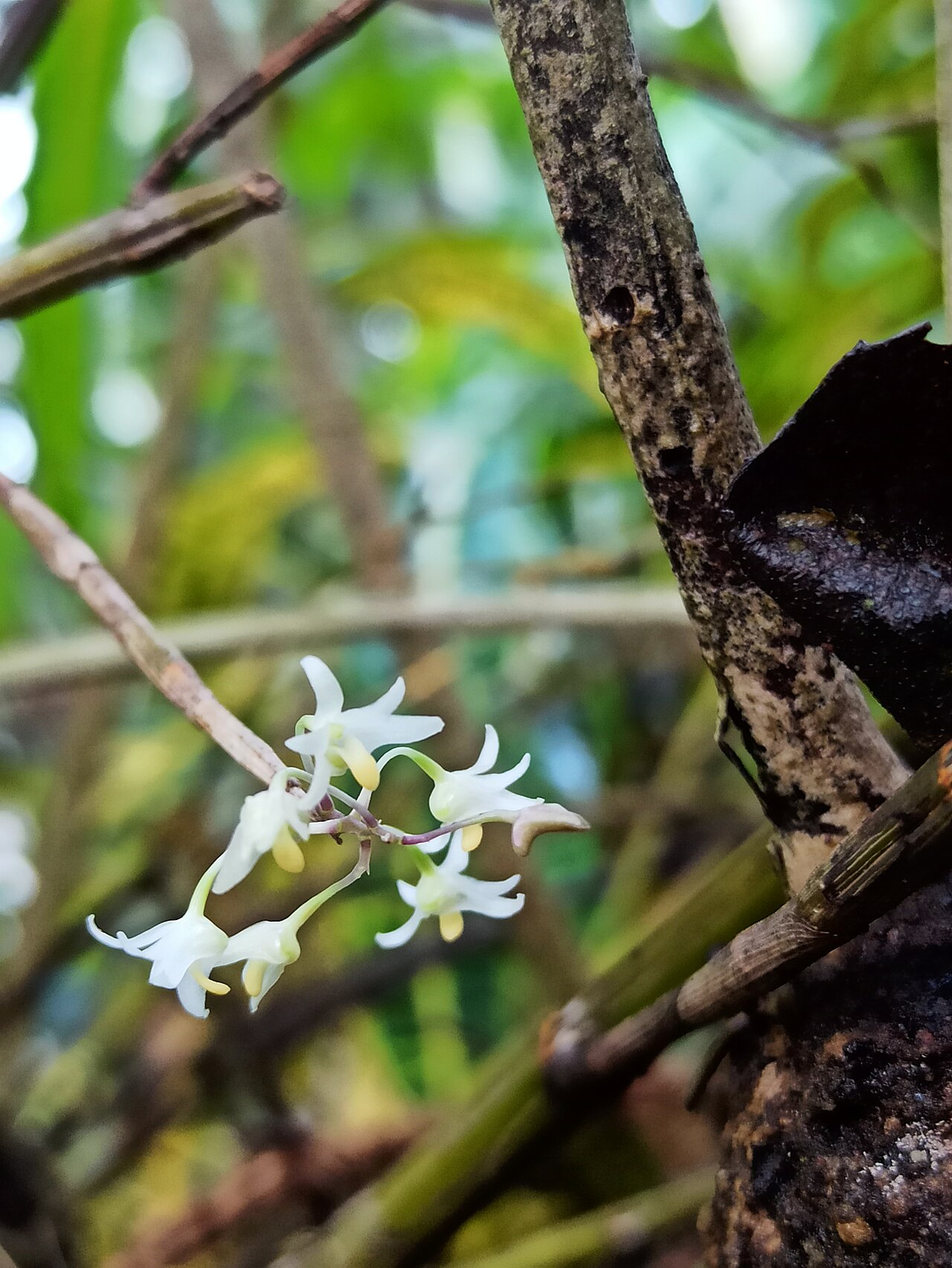

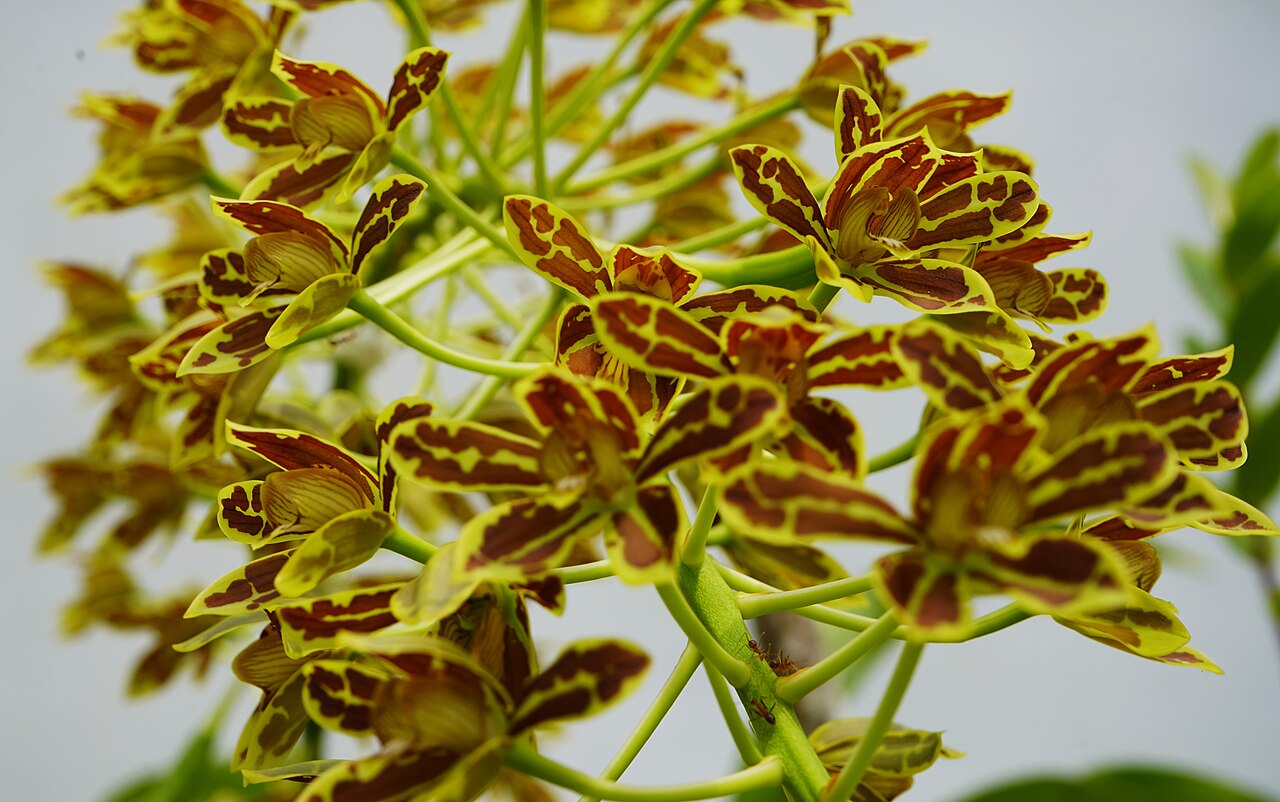

An orchid flower is only the visible part of a set of relationships. Its surroundings are part of the story even when they are outside the frame.
Understand the context
Kew's wild orchid work discusses important relationships between orchids and mycorrhizal fungi. Looking only at a flower does not explain the soil or all its connections with other organisms. Conservation therefore requires expertise and monitoring, rather than moving a plant because it looks vulnerable.
Try a learning activity
- Make a sketch from a photograph rather than collecting a plant.
- Label visible flower and surrounding features.
- Add questions about soil and unseen relationships.
- Keep uncertain identification separate from a confirmed species name.
Reflect on the evidence
Compare your record with the source. Which details did you observe directly, which did you learn from the reading, and which remain uncertain? Keep those answers separate. Add the place, date and method when they are known; a short observation or a single photograph does not describe an entire landscape.
Reading source: Kew — Wild orchids back from the brink.
Learning activity prepared by Living Heritage. Source review date retained from the original editorial record: 29 September 2026. This activity is an educational exercise, not a scientific survey or a field intervention plan.