


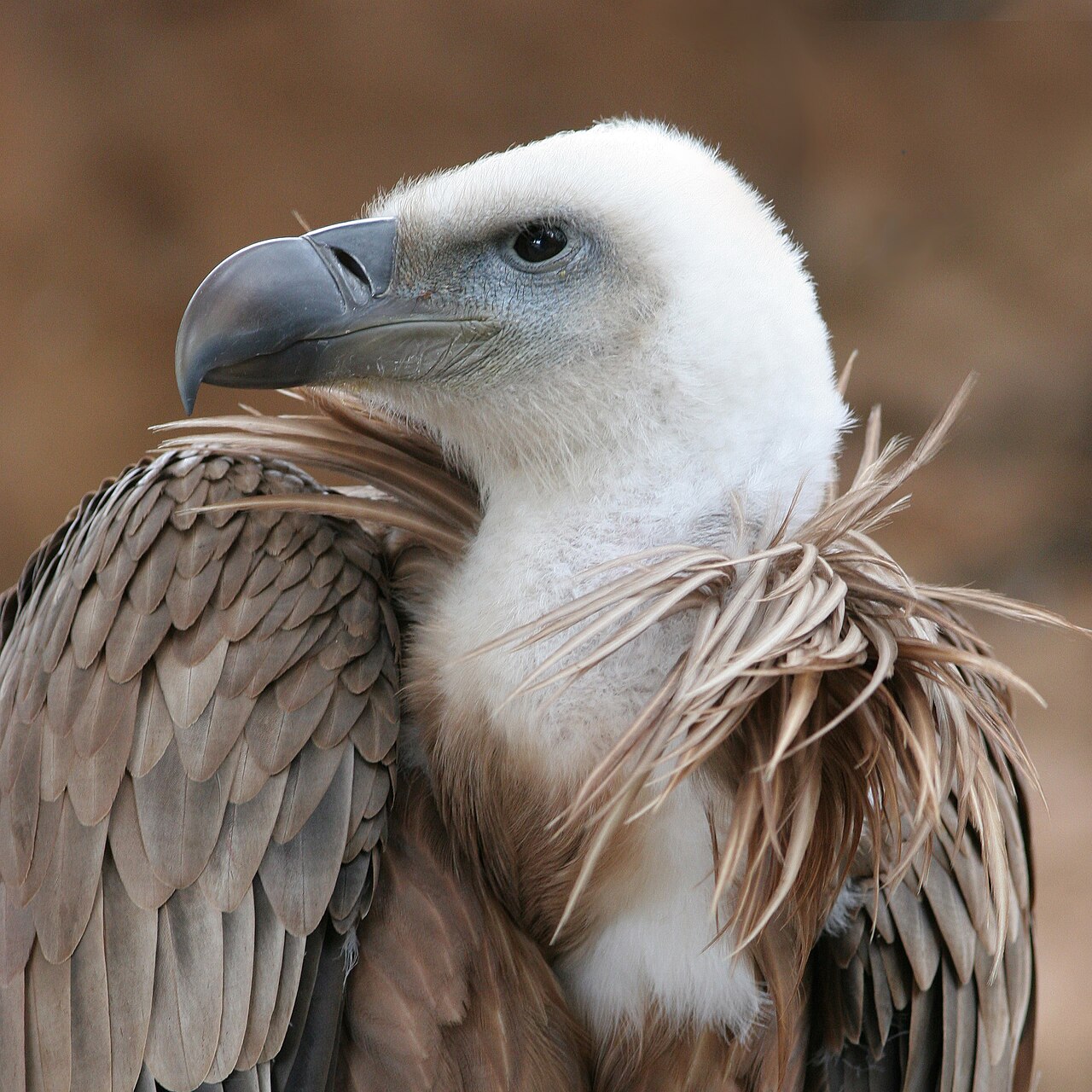

When an animal dies, the movement of nutrients through an ecosystem continues. Scavengers help us think beyond familiar ideas of attractive wildlife.
Understand the context
The SADC Vulture Conservation Strategy published by South Africa's environment department discusses vultures as scavenging birds feeding mainly on dead animals. This feeding relationship is one part of an ecosystem. Species should not be ranked as valuable or worthless simply by their appearance.
Try a learning activity
- Draw a simple food web that includes a dead animal.
- Add scavengers and other organisms using its remains.
- Separate a sourced relationship from an assumption.
- Write an explanation without calling an animal dirty or useless.
Reflect on the evidence
Compare your record with the source. Which details did you observe directly, which did you learn from the reading, and which remain uncertain? Keep those answers separate. Add the place, date and method when they are known; a short observation or a single photograph does not describe an entire landscape.
Reading source: DFFE — SADC Vulture Conservation Strategy and Action Plan 2025–2035.
Learning activity prepared by Living Heritage. Source review date retained from the original editorial record: 29 September 2026. This activity is an educational exercise, not a scientific survey or a field intervention plan.