


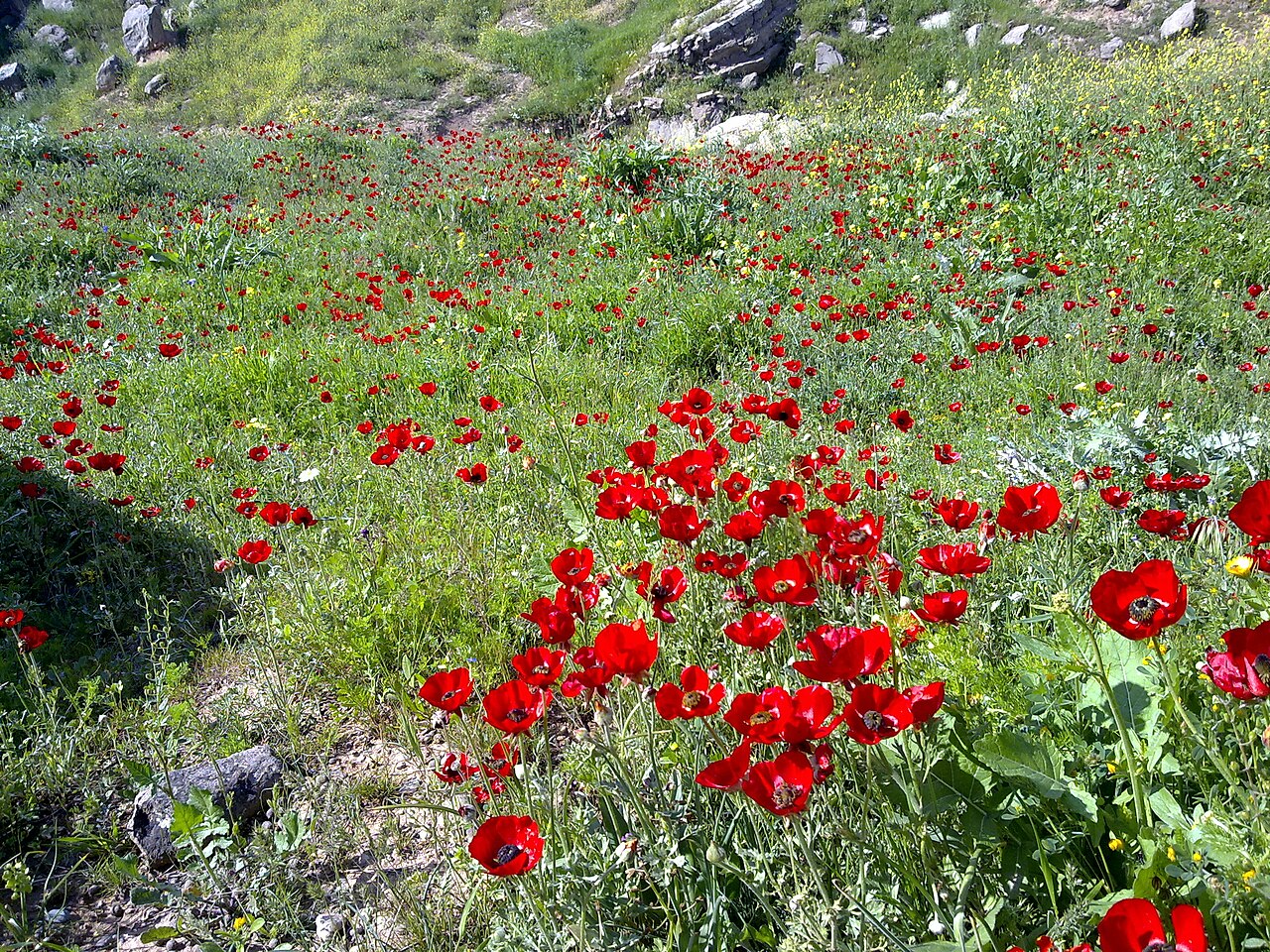

One colourful afternoon does not describe an entire flowering season. Repeated observations can turn an attractive scene into a useful learning record.
Understand the context
The USFWS pollinator garden guide discusses considering plants flowering at different times. Flowering periods can vary with region and conditions, so a calendar in a source should be compared with local observations. Record changes without treating a short visit as a complete annual survey.
Try a learning activity
- Divide a page into months or seasons.
- Add dated observations of flowers from a permitted viewpoint.
- Keep expected flowering and observed flowering in different colours.
- Write gaps in the record instead of filling them with guesses.
Reflect on the evidence
Compare your record with the source. Which details did you observe directly, which did you learn from the reading, and which remain uncertain? Keep those answers separate. Add the place, date and method when they are known; a short observation or a single photograph does not describe an entire landscape.
Reading source: USFWS — Pollinator Garden Handbook.
Learning activity prepared by Living Heritage. Source review date retained from the original editorial record: 29 September 2026. This activity is an educational exercise, not a scientific survey or a field intervention plan.