
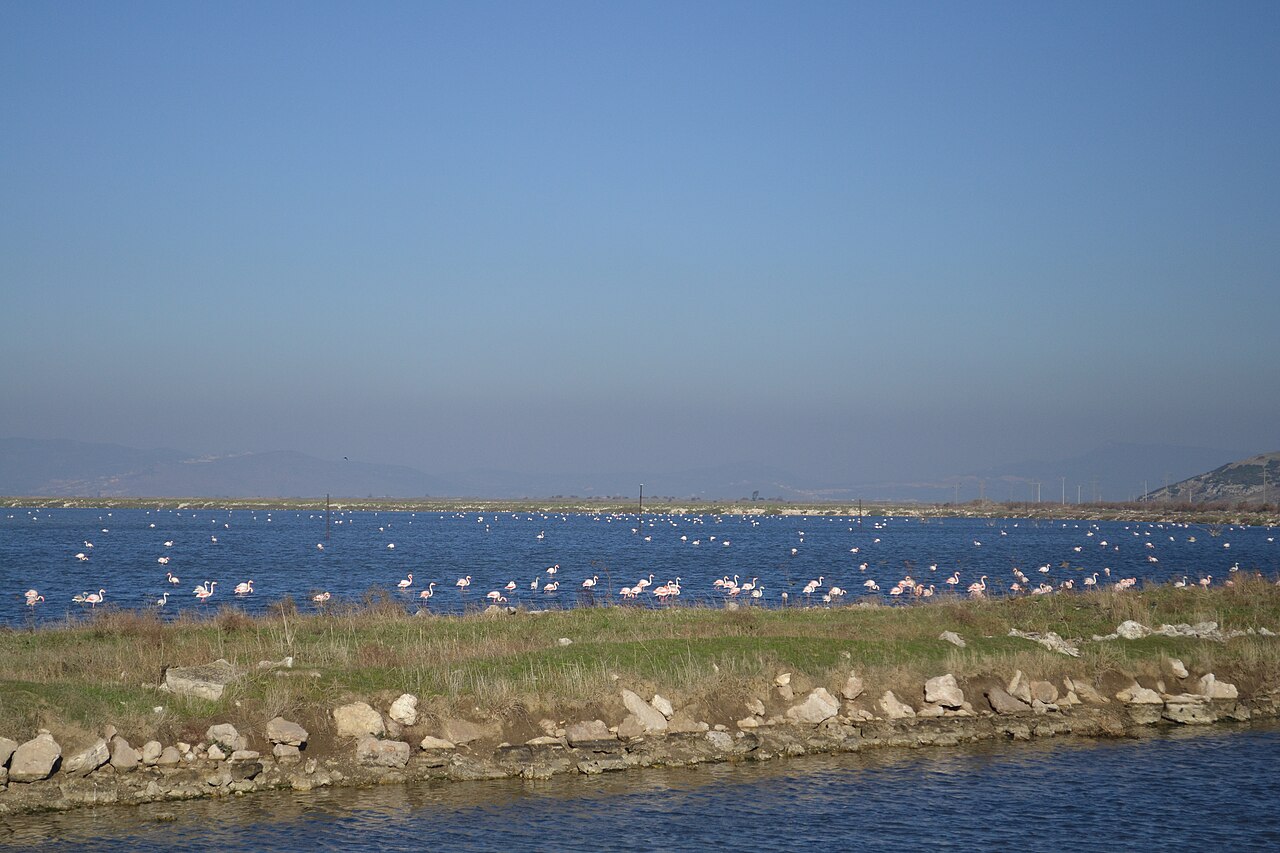

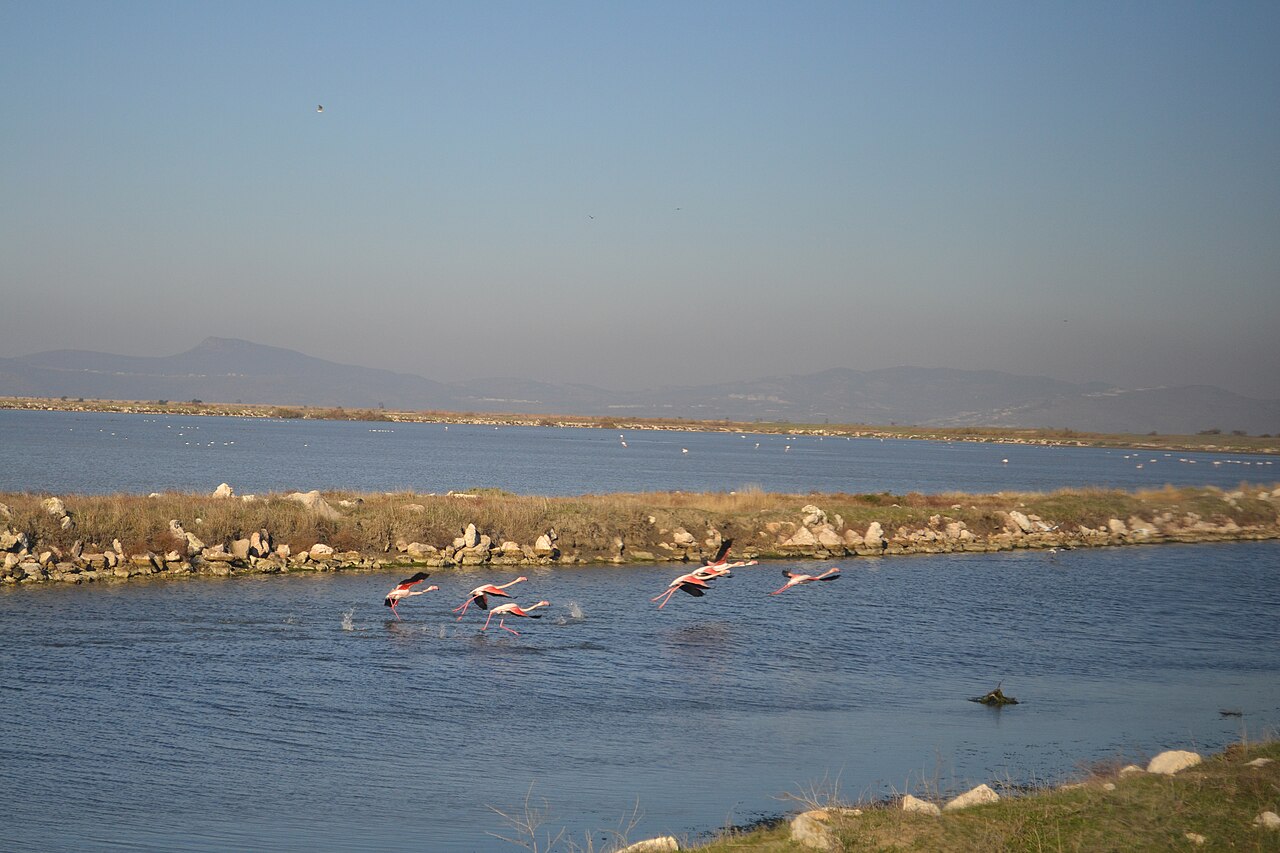

The closest photograph is not always the best observation. Quiet time spent without changing a bird's behaviour can be a valuable record.
Understand the context
The British Trust for Ornithology's Birders' Code places bird welfare before observation. Birds resting after migration can be sensitive to disturbance. Approaching nests, moving birds for photographs or publicising sensitive locations can undermine the purpose of watching wildlife.
Try a learning activity
- Choose a permitted viewpoint, a window or an existing park path.
- Record the time, weather and length of observation.
- Describe resting, feeding or flight without approaching the birds.
- Keep 'not seen' separate from 'not present'.
Reflect on the evidence
Compare your record with the source. Which details did you observe directly, which did you learn from the reading, and which remain uncertain? Keep those answers separate. Add the place, date and method when they are known; a short observation or a single photograph does not describe an entire landscape.
Reading source: BTO — The Birders' Code.
Learning activity prepared by Living Heritage. Source review date retained from the original editorial record: 29 September 2026. This activity is an educational exercise, not a scientific survey or a field intervention plan.