

Derivative work: UnpetitproleX · CC BY-SA 4.0 · Wikimedia Commons
.jpg)
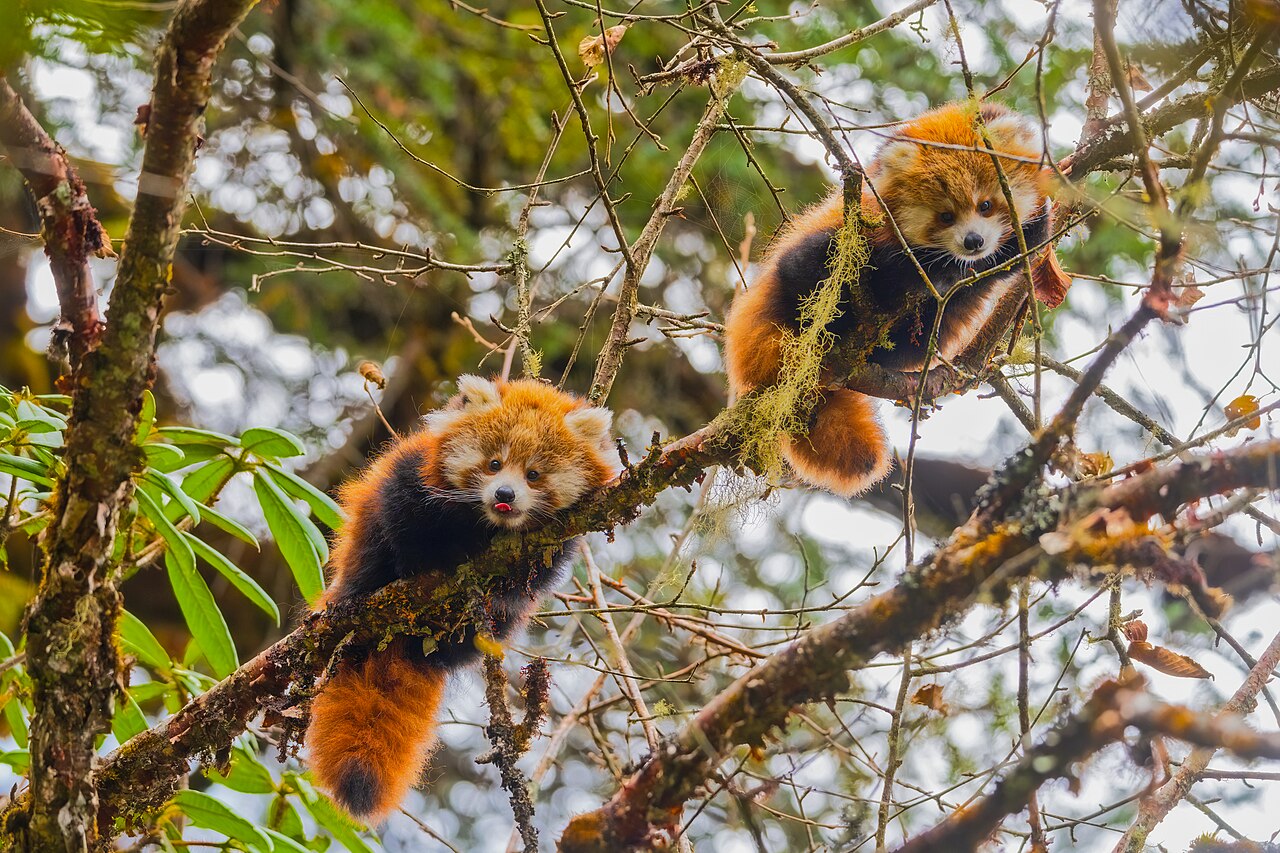
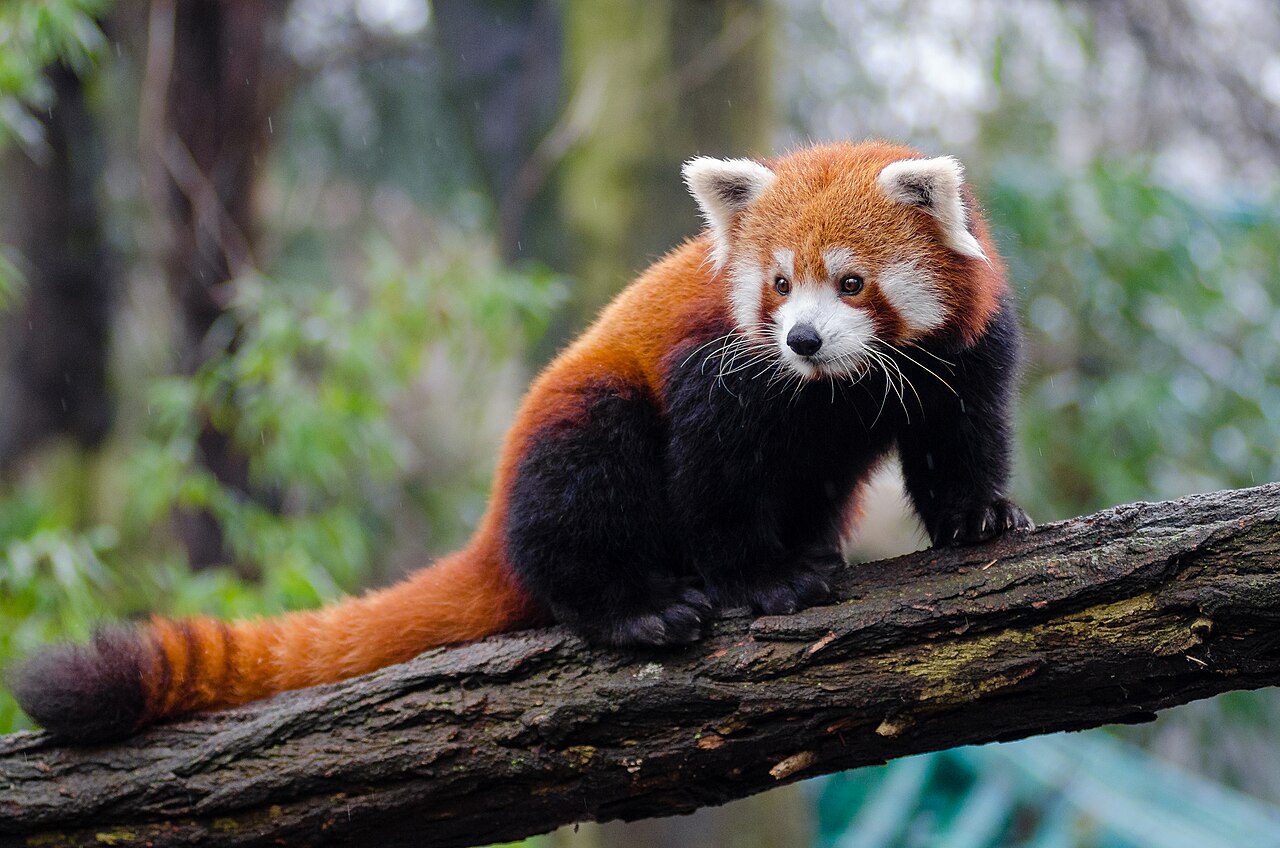
A red panda portrait often draws attention to the face and long tail. Understanding the animal also means asking about the forest around it.
Understand the context
WWF associates red pandas with forests of the Eastern Himalayas and southwestern China, and describes the importance of bamboo in their diet. Habitat loss and fragmentation are conservation concerns. Red pandas and giant pandas are different animals; similar common names do not make their lives identical.
Try a learning activity
- List only features visible in a photograph.
- Create a second list of questions the photograph cannot answer.
- Use the species source to answer one question.
- Add a road to an imaginary forest and discuss new uncertainties.
Reflect on the evidence
Compare your record with the source. Which details did you observe directly, which did you learn from the reading, and which remain uncertain? Keep those answers separate. Add the place, date and method when they are known; a short observation or a single photograph does not describe an entire landscape.
Reading source: WWF — Red Panda.
Learning activity prepared by Living Heritage. Source review date retained from the original editorial record: 29 September 2026. This activity is an educational exercise, not a scientific survey or a field intervention plan.