


A label carries a specific claim rather than a complete account of a product's impact. Reading the exact wording is the first step.
Understand the context
The Forest Stewardship Council explains FSC 100%, FSC Mix and FSC Recycled through different content and sourcing conditions. Mix and Recycled do not convey identical information. Check whether a mark on packaging refers to the packaging or to the product inside.
Try a learning activity
- Copy the exact label from an example or source.
- Identify what object the label applies to.
- Compare two labels using the official explanation.
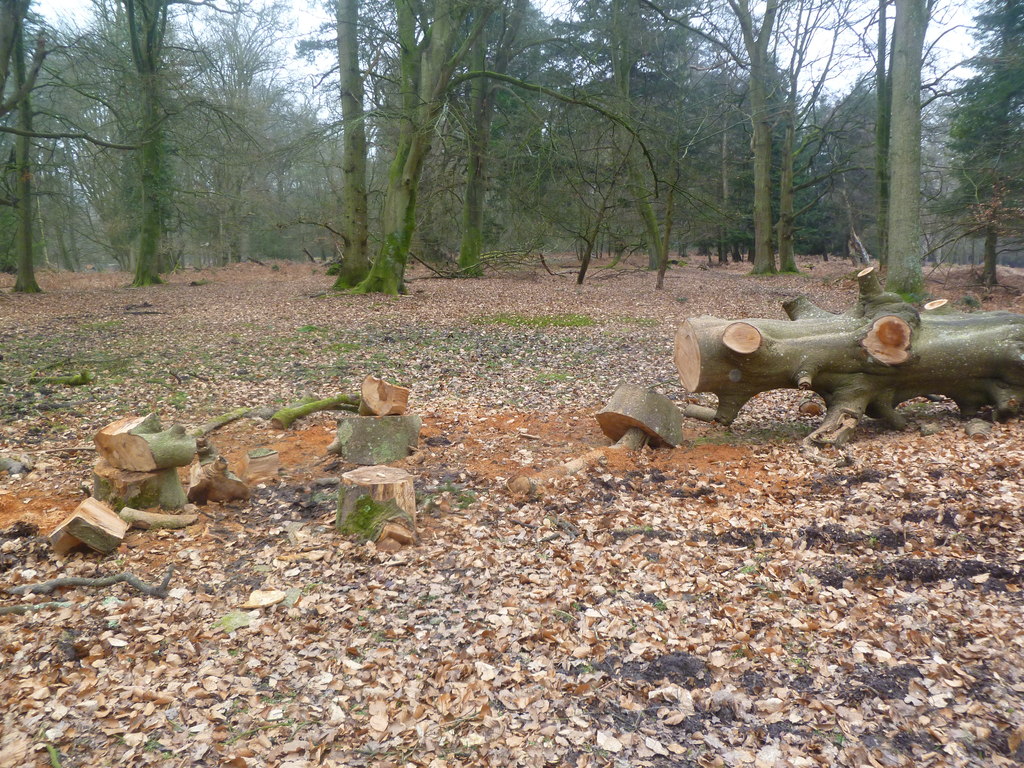
- Avoid treating an unlabelled photograph of wood as certification evidence.
Reflect on the evidence
Compare your record with the source. Which details did you observe directly, which did you learn from the reading, and which remain uncertain? Keep those answers separate. Add the place, date and method when they are known; a short observation or a single photograph does not describe an entire landscape.
Reading source: FSC — What do the FSC labels mean?.
Learning activity prepared by Living Heritage. Source review date retained from the original editorial record: 29 September 2026. This activity is an educational exercise, not a scientific survey or a field intervention plan.