

.jpg)
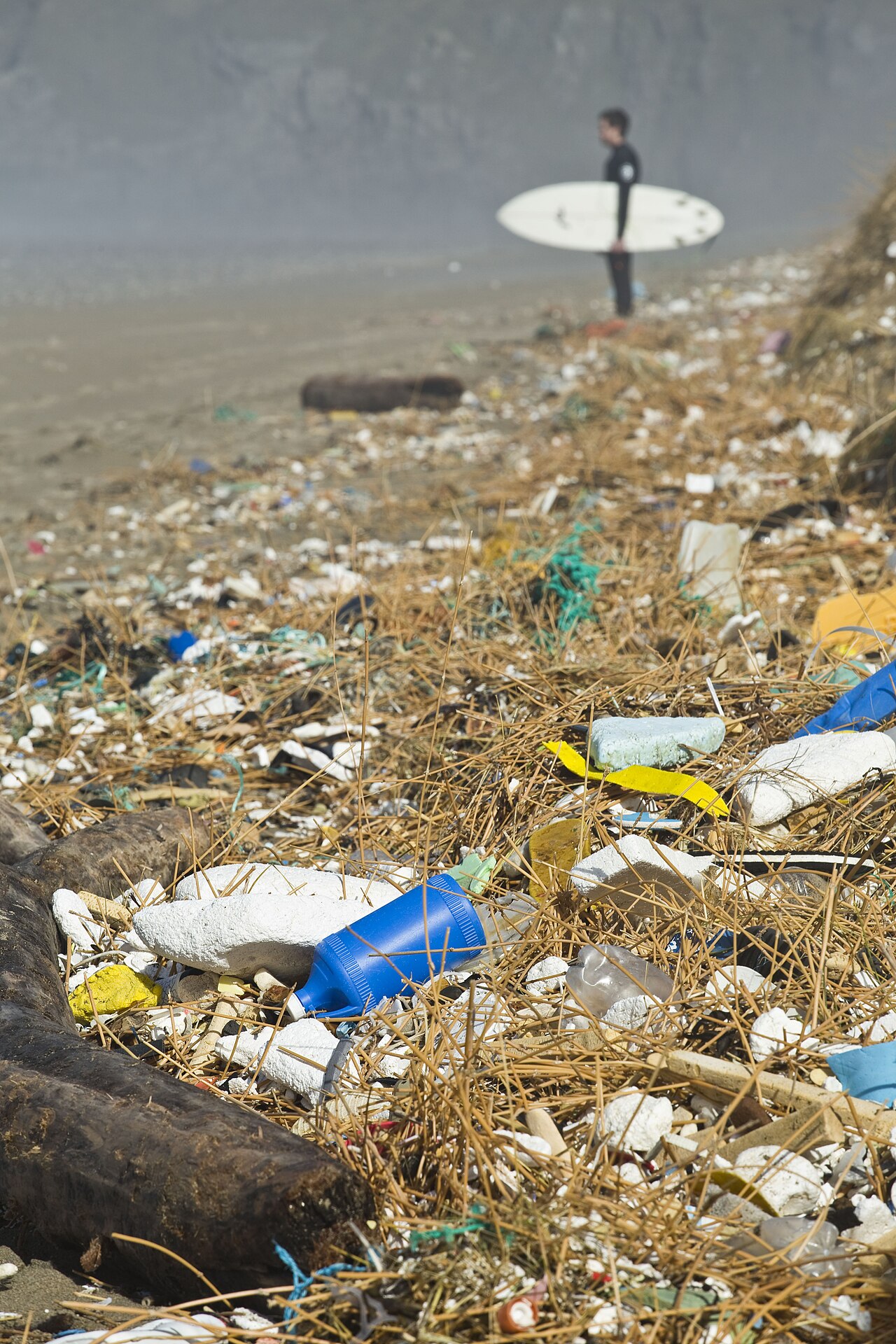
Finding an object on a beach tells you where it was observed. It does not by itself tell you who discarded it or where it began its journey.
Understand the context
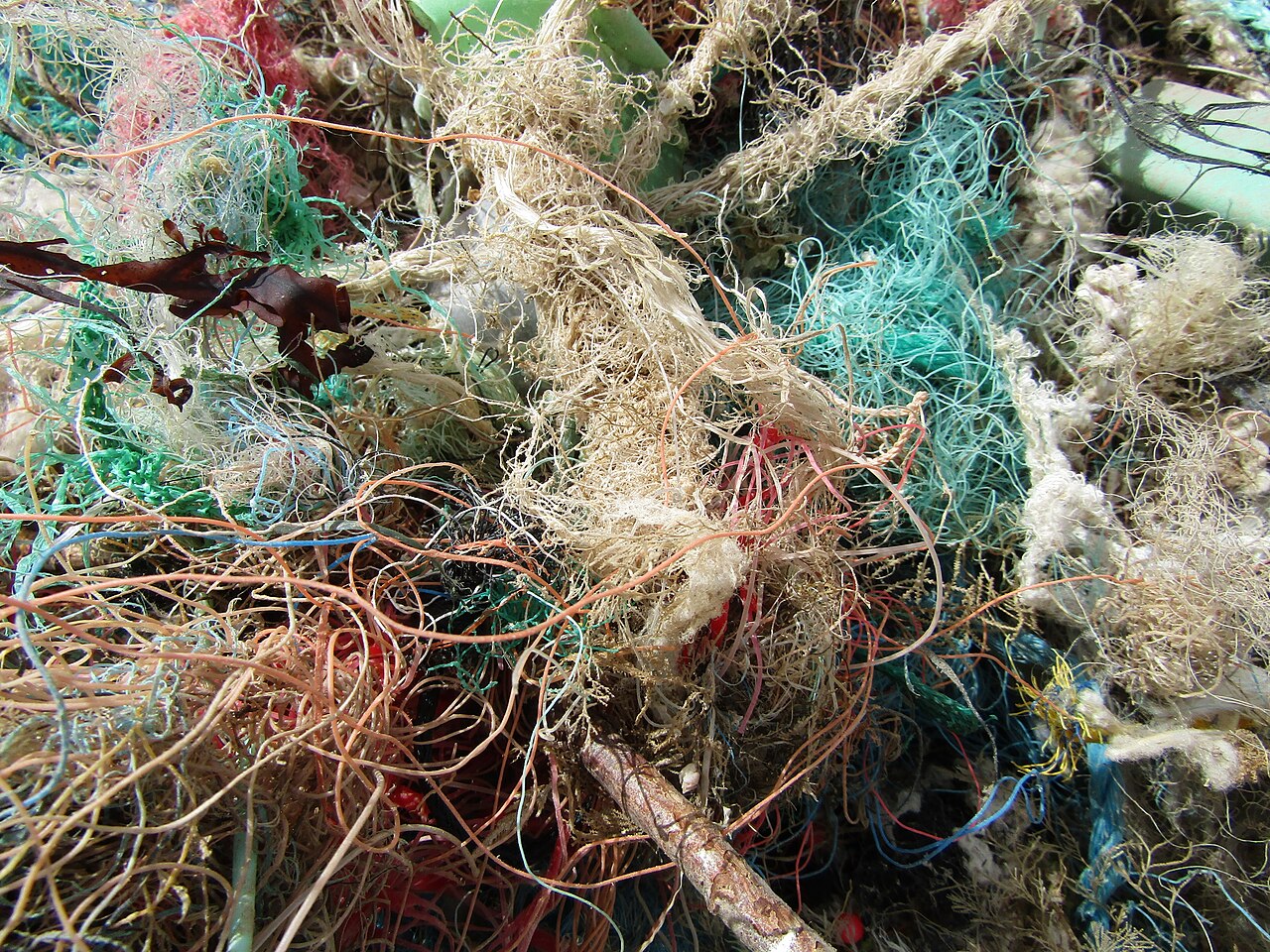
NOAA Marine Debris discusses physical habitat damage and the movement of debris with water. Attributing an object to a person or place requires additional evidence. A good record can describe what was found without inventing a source or assigning blame.
Try a learning activity
- Describe visible litter in a photograph.
- Make separate columns for location and possible origin.
- Mark an explanation as a hypothesis where evidence is missing.
- Write a neutral caption that avoids unsupported attribution.
Reflect on the evidence
Compare your record with the source. Which details did you observe directly, which did you learn from the reading, and which remain uncertain? Keep those answers separate. Add the place, date and method when they are known; a short observation or a single photograph does not describe an entire landscape.
Reading source: NOAA Marine Debris — Habitat Damage.
Learning activity prepared by Living Heritage. Source review date retained from the original editorial record: 29 September 2026. This activity is an educational exercise, not a scientific survey or a field intervention plan.