
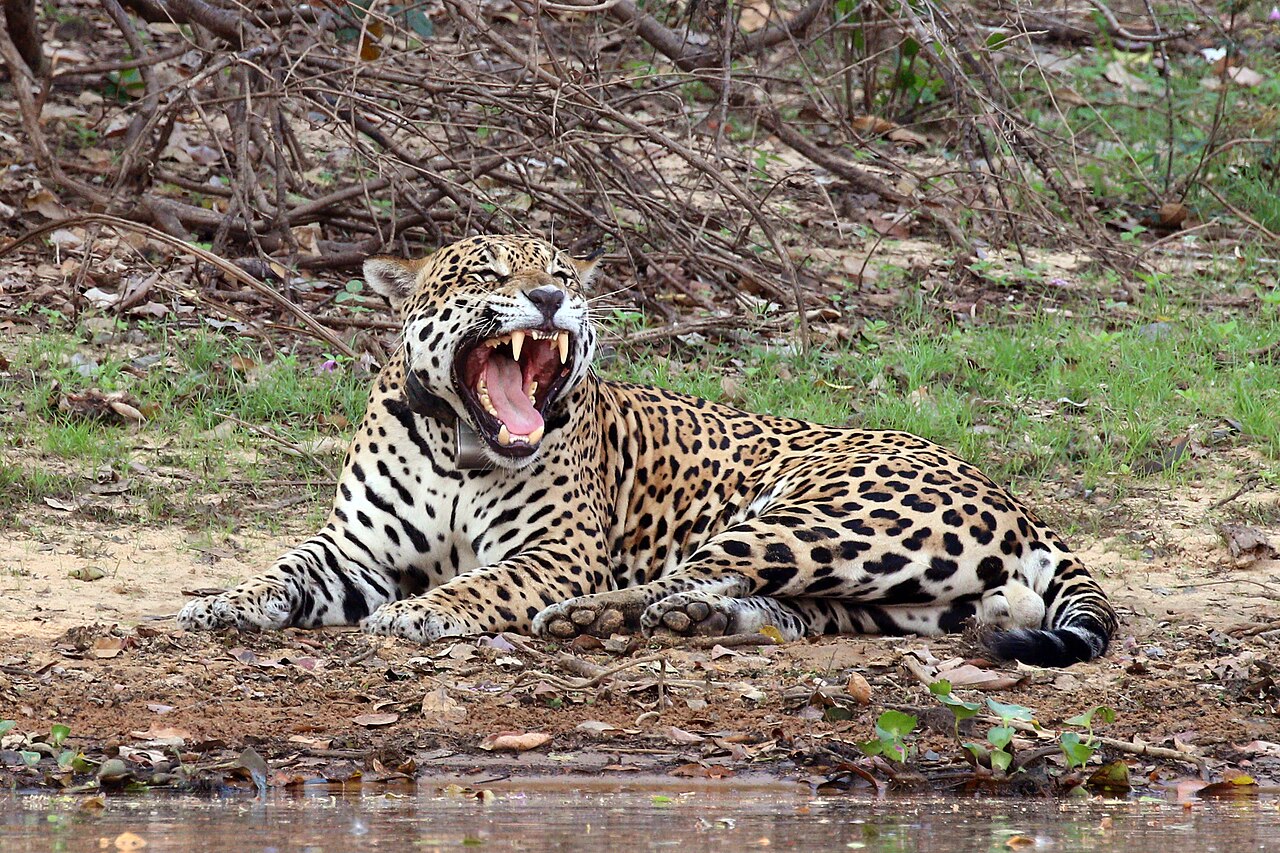
_male_Rio_Negro_2.JPG)
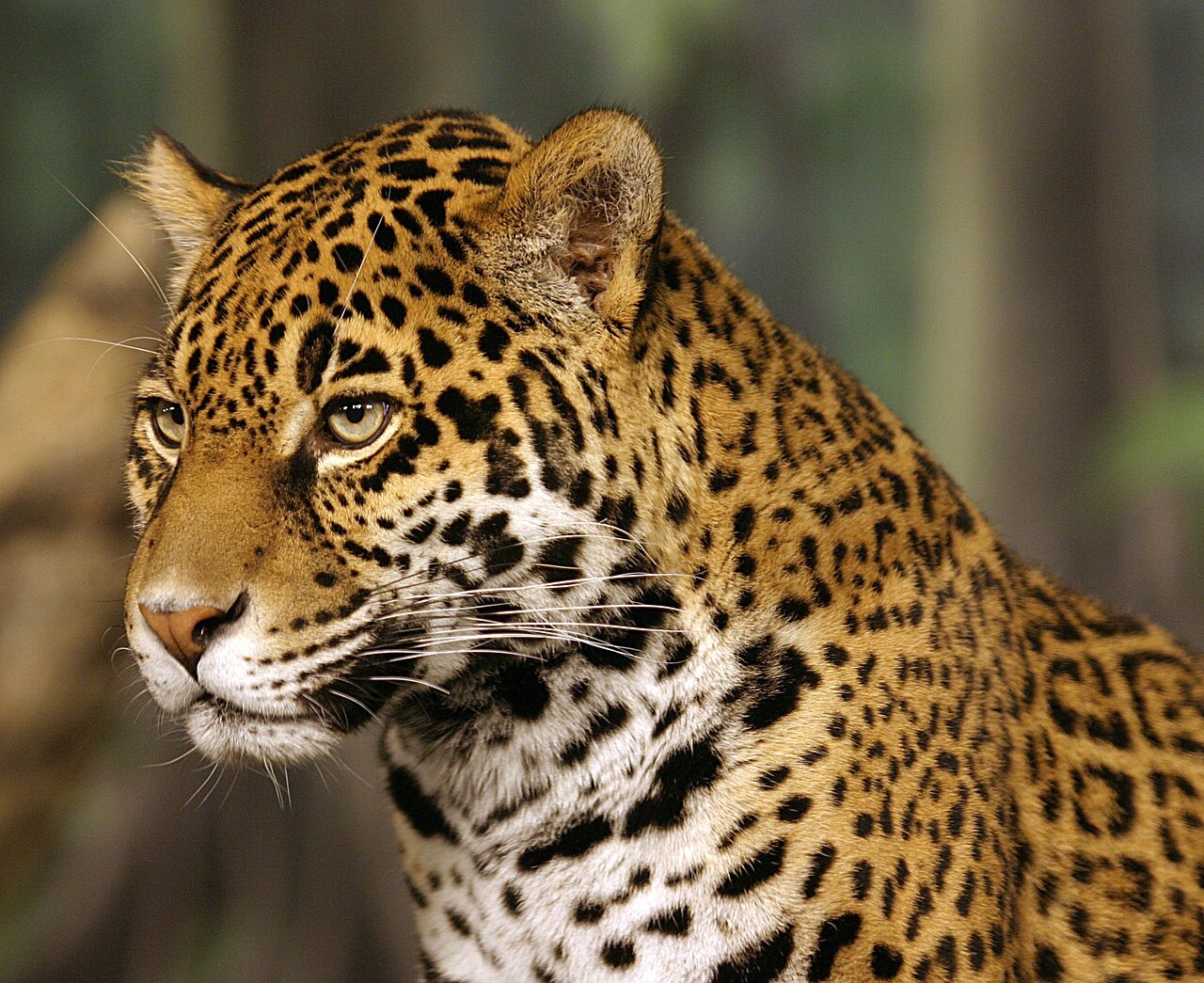

A jaguar's spotted coat attracts attention, but survival depends on the landscape outside the photograph. Look beyond the portrait to water, prey and routes between habitats.
Understand the context
Panthera describes habitat loss, fragmentation, conflict with people and overhunting of prey among the pressures on jaguars. Panthera onca occurs in the Americas, in habitats including tropical forests and wetlands. The Amazon and Brazil's Pantanal are different places; a photograph from one should not be labelled as the other.
Try a learning activity
- Draw three forest patches separated by a river, a road and a settlement.
- Mark possible connections to food and water in another colour.
- Remove one connection and compare the two drawings.
- Label this an educational diagram, not a real jaguar route.
Reflect on the evidence
Compare your record with the source. Which details did you observe directly, which did you learn from the reading, and which remain uncertain? Keep those answers separate. Add the place, date and method when they are known; a short observation or a single photograph does not describe an entire landscape.
Reading source: Panthera – Jaguar.
Learning activity prepared by Living Heritage. Source review date retained from the original editorial record: 29 September 2026. This activity is an educational exercise, not a scientific survey or a field intervention plan.