
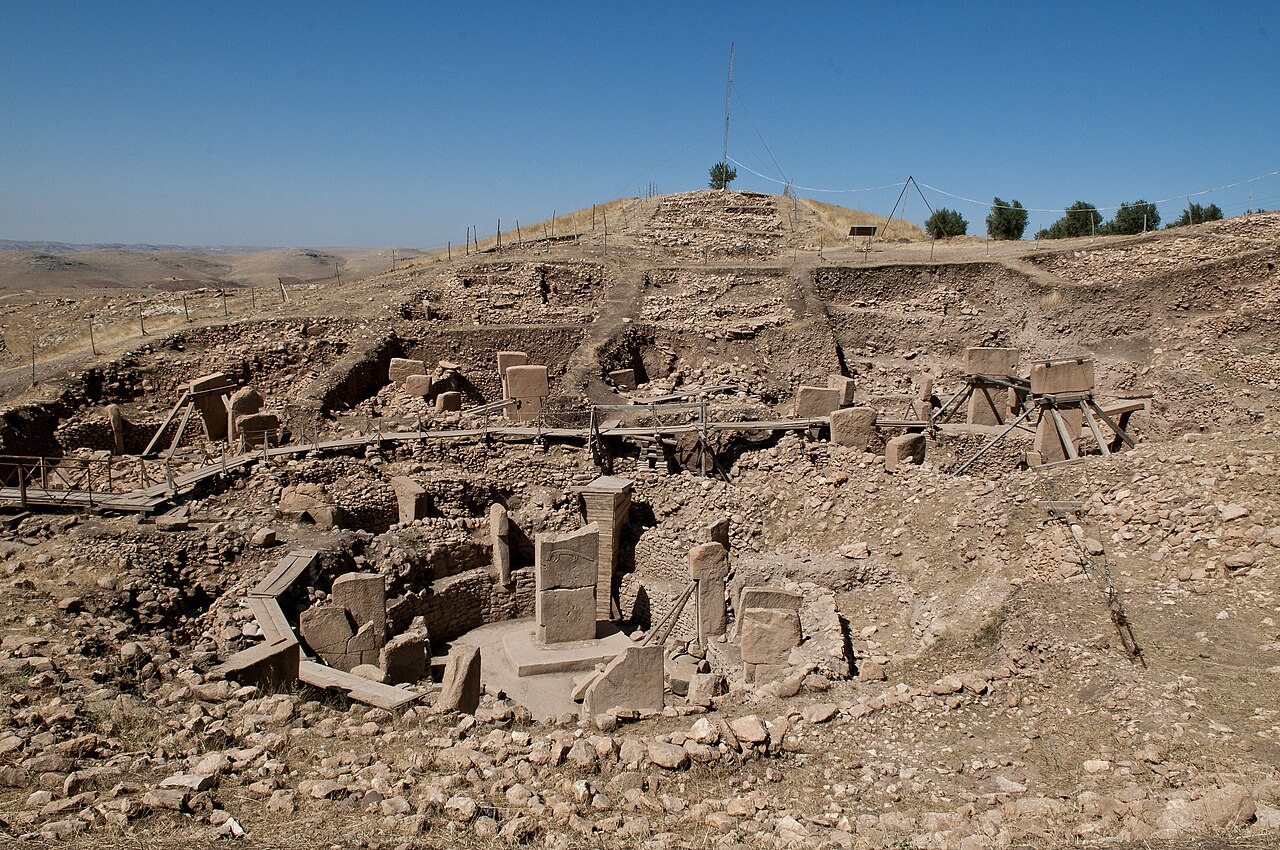

Animal carvings encourage curiosity about the past. Their presence does not answer every question about a site's environment or purpose.
Understand the context
UNESCO describes Göbekli Tepe through monumental Pre-Pottery Neolithic structures and T-shaped pillars. Animal representations are notable details. One representation cannot establish the complete ecological history of an animal at the site or the entire purpose of a structure.
Try a learning activity
- Draw or describe a visible feature from a permitted image.
- Separate an observation from an interpretation.
- Use the source to identify the period and kind of structure.
- Write a question that needs further archaeological evidence.
Reflect on the evidence
Compare your record with the source. Which details did you observe directly, which did you learn from the reading, and which remain uncertain? Keep those answers separate. Add the place, date and method when they are known; a short observation or a single photograph does not describe an entire landscape.
Reading source: UNESCO — Göbekli Tepe.
Learning activity prepared by Living Heritage. Source review date retained from the original editorial record: 29 September 2026. This activity is an educational exercise, not a scientific survey or a field intervention plan.