
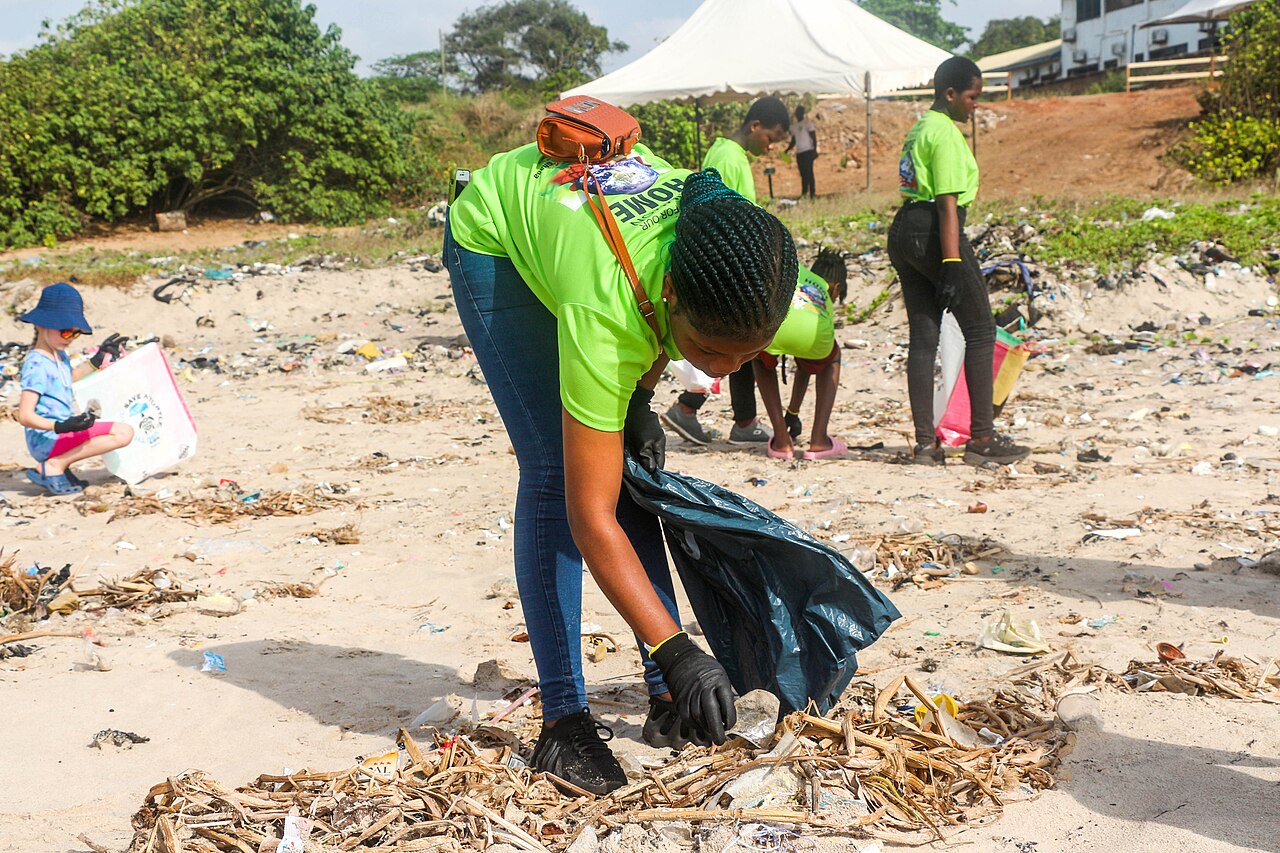

A cleanup involves more than picking up everything that appears out of place. The area's rules and the limits of a volunteer task matter.
Understand the context
NOAA's marine debris handling guidance advises against touching unknown or apparently hazardous objects and recommends reporting them appropriately. Large items and containers that may hold chemicals are not ordinary volunteer litter. The relevant local reporting channel must be learned separately.
Try a learning activity
- Draft a plan identifying the organiser and permitted area.
- Separate ordinary litter from items requiring advice.
- Write the questions to ask the local responsible authority.
- Use photographs for this exercise rather than handling unknown objects.
Reflect on the evidence
Compare your record with the source. Which details did you observe directly, which did you learn from the reading, and which remain uncertain? Keep those answers separate. Add the place, date and method when they are known; a short observation or a single photograph does not describe an entire landscape.
Reading source: NOAA Marine Debris — Handling Guidelines.
Learning activity prepared by Living Heritage. Source review date retained from the original editorial record: 29 September 2026. This activity is an educational exercise, not a scientific survey or a field intervention plan.