
.jpg)

.jpg)
A temple can stand for a place in our imagination while representing only part of it. Exploring the wider area reveals a more careful account.
Understand the context
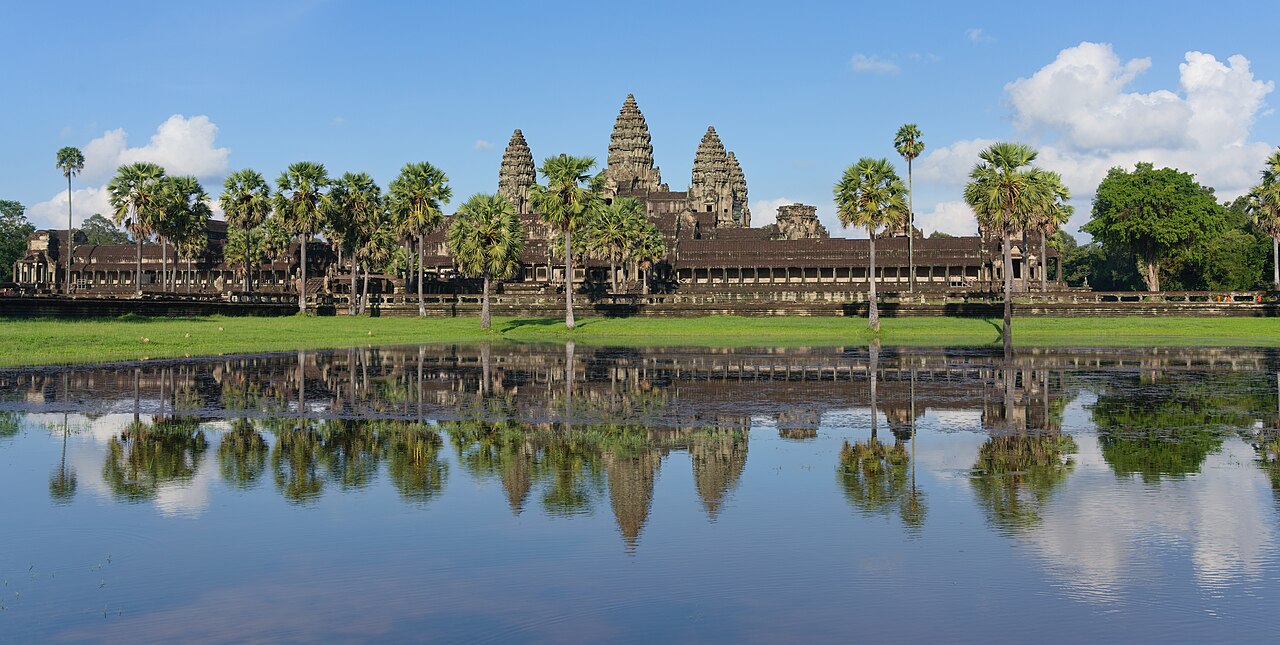
UNESCO describes Angkor Archaeological Park through remains of different capitals of the Khmer Empire. Angkor Wat and the Bayon at Angkor Thom are important examples. A photograph of one temple should not be presented as a view of the whole park.
Try a learning activity
- Make cards for the park and two named monuments.
- Place each photograph beside the feature it actually shows.
- List questions about connections beyond the frame.
- Keep monument names and wider site names distinct.
Reflect on the evidence
Compare your record with the source. Which details did you observe directly, which did you learn from the reading, and which remain uncertain? Keep those answers separate. Add the place, date and method when they are known; a short observation or a single photograph does not describe an entire landscape.
Reading source: UNESCO — Angkor · Additional reading.
Learning activity prepared by Living Heritage. Source review date retained from the original editorial record: 29 September 2026. This activity is an educational exercise, not a scientific survey or a field intervention plan.