
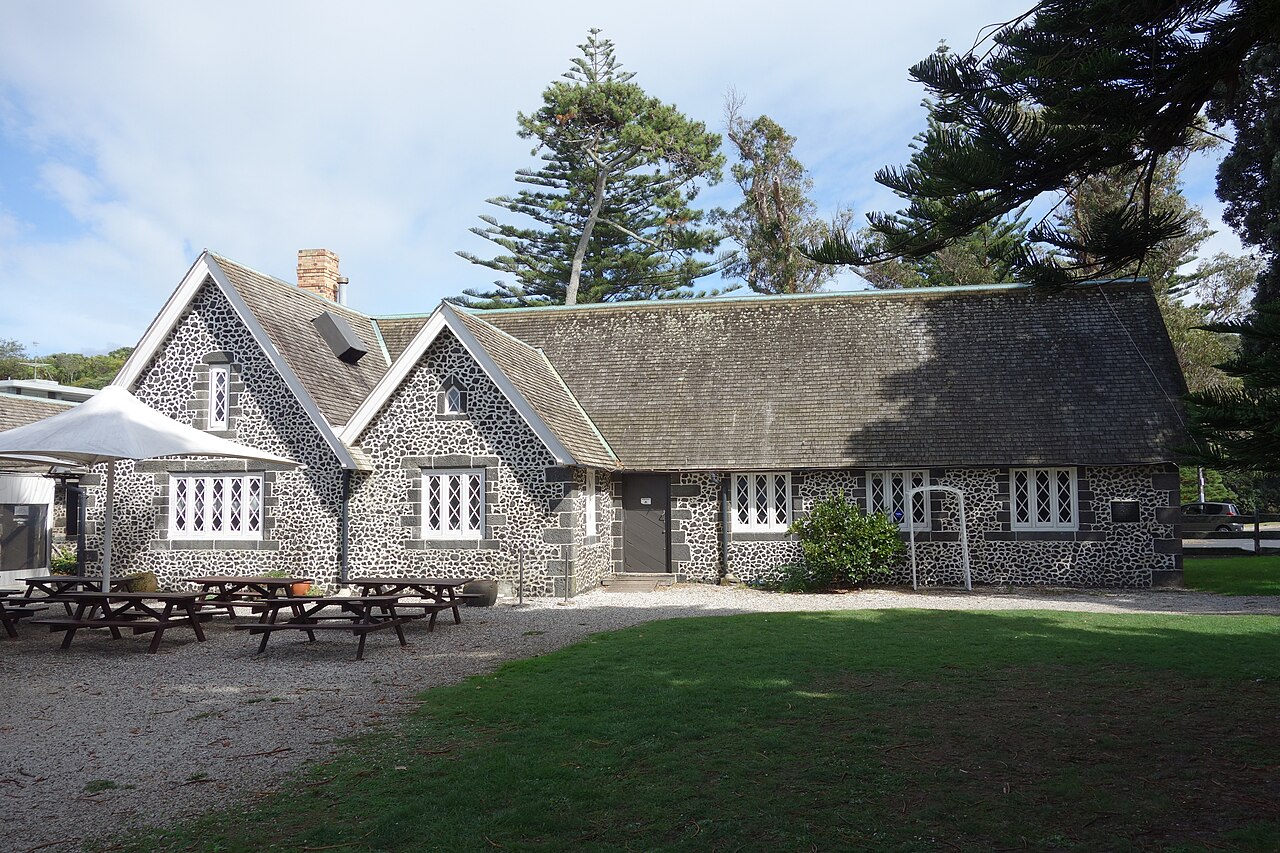


A visit can become a memory without leaving a physical mark. Notes, drawings and appropriate photographs offer other ways to remember a place.
Understand the context
Historic site management treats visitor behaviour as part of conservation. Scratching, painting or adding a mark to a surface should not be treated as an ordinary souvenir. A visitor noticing damage should not attempt cleaning or repair without the relevant expert assessment.
Try a learning activity
- Sketch an object or detail without touching its surface.
- Choose a memory method that adds nothing to the place.
- Write whom to notify if damage is noticed.
- Keep a visitor's record separate from a repair proposal.
Reflect on the evidence
Compare your record with the source. Which details did you observe directly, which did you learn from the reading, and which remain uncertain? Keep those answers separate. Add the place, date and method when they are known; a short observation or a single photograph does not describe an entire landscape.
Reading source: APSARA National Authority — Visitor information.
Learning activity prepared by Living Heritage. Source review date retained from the original editorial record: 29 September 2026. This activity is an educational exercise, not a scientific survey or a field intervention plan.