
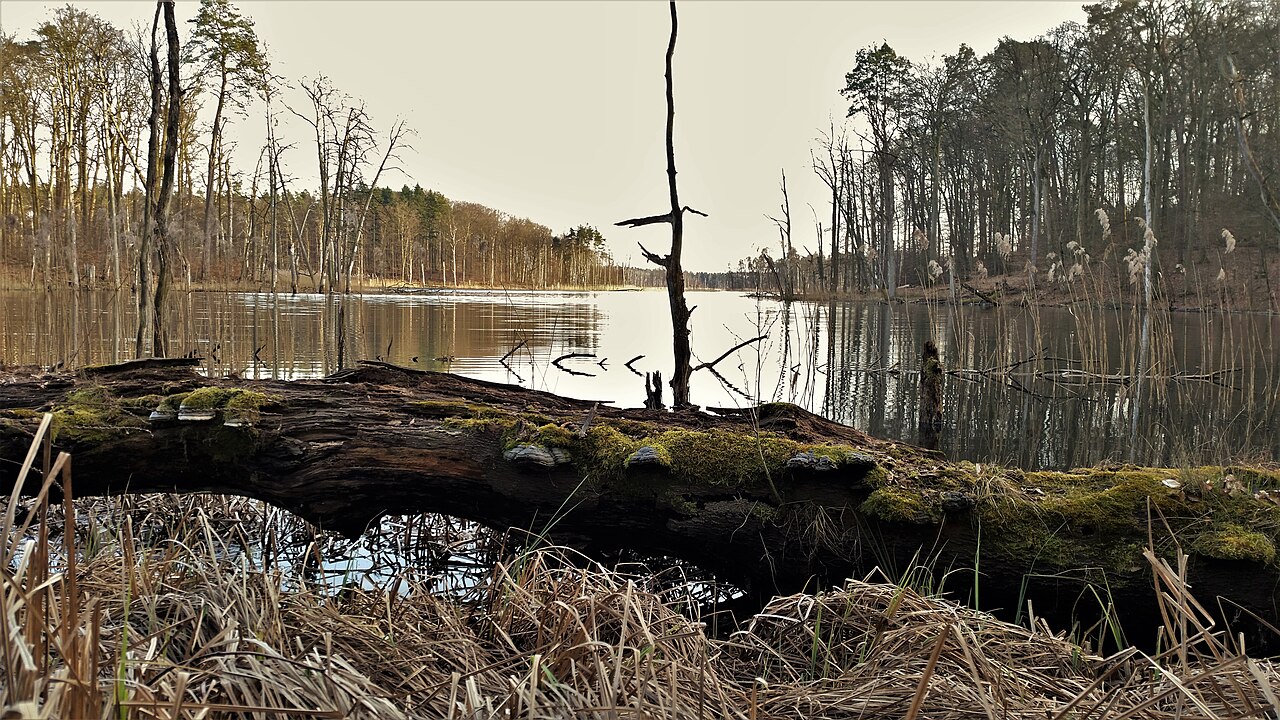

A fallen branch can look like the end of a story. In a forest, dead and decaying wood can also provide places used by living organisms.
Understand the context
Woodland Trust describes dead and decaying wood as an important woodland microhabitat. Different organisms can use it. This does not mean every dry branch must be left in a public-use area: ecological value and safety require appropriate professional assessment.
Try a learning activity
- Draw several stages of a fallen piece of wood.
- List possible users as questions to investigate.
- Separate habitat observations from safety decisions.
- Record details without moving wood or disturbing its occupants.
Reflect on the evidence
Compare your record with the source. Which details did you observe directly, which did you learn from the reading, and which remain uncertain? Keep those answers separate. Add the place, date and method when they are known; a short observation or a single photograph does not describe an entire landscape.
Reading source: Woodland Trust — Woodland habitats.
Learning activity prepared by Living Heritage. Source review date retained from the original editorial record: 29 September 2026. This activity is an educational exercise, not a scientific survey or a field intervention plan.